
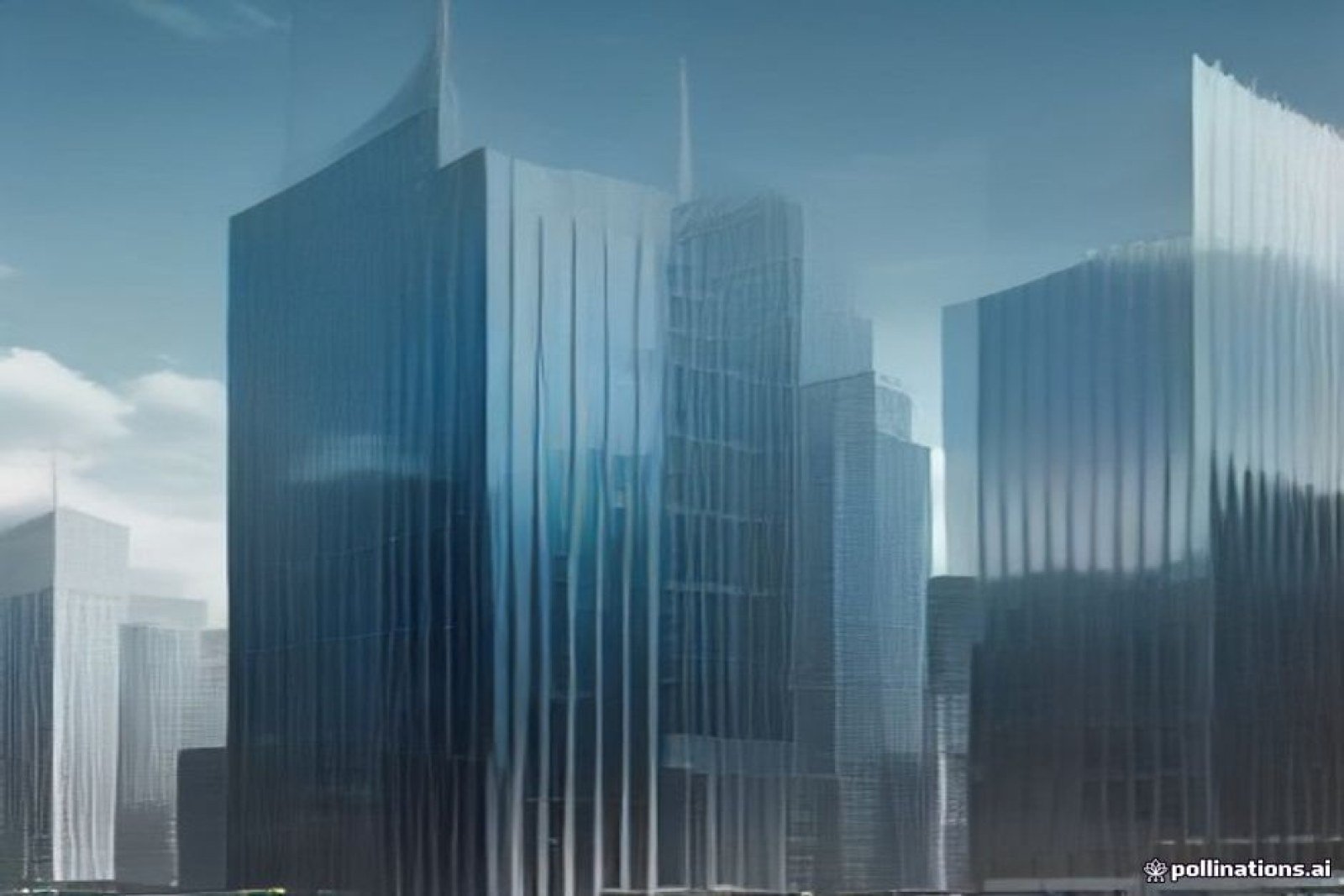
When the Twin Towers rose in the 1970s, they were more than symbols of American ambition; they were embodiments of a design philosophy that would ripple through decades of architecture, branding, and digital experience. Minoru Yamasaki, the Japanese‑American architect behind the World Trade Center, crafted a vision that balanced stark modernism with human scale—a balance that contemporary designers still wrestle with today.
Minoru Yamasaki: From Twin Towers to Global Design Language
Yamasaki’s career began in the post‑war era, a time when glass and steel were becoming the language of progress. His 1966 commission for the Twin Towers in New York City marked a turning point. The towers’ slender columns, clean façade, and subtle ornamentation were deliberate choices that made the structures feel approachable despite their monumental scale.
The 1970s Vision
Yamasaki’s design was a study in contrast: a steel skeleton wrapped in a glass skin that reflected the city’s light. He infused the towers with humanist touches—slender elevators, generous lobby spaces, and an emphasis on light—making the buildings feel less like monolithic behemoths and more like civic landmarks.
Post‑9/11 Reassessment
After the 2001 attacks, the Twin Towers became symbols of resilience and loss. The public conversation shifted from the towers’ aesthetics to their symbolic weight. Yet the underlying design principles—contextual integration, minimalism, and a focus on user experience—remained relevant, especially as architects sought to rebuild with greater sensitivity to community and safety.
Legacy in Contemporary Architecture and Digital UX
Modern skyscrapers echo Yamasaki’s minimalist ethos: clean lines, glass facades, and an emphasis on natural light. In the digital realm, these ideas translate into user interfaces that prioritize clarity, intuitive navigation, and emotional resonance.
Verticality and Human Scale
- Vertical design should never eclipse the human element.
- Bridges, elevators, and lobbies remain the “first touchpoints” for occupants.
- Digital platforms mirror this by prioritizing entry points that feel welcoming.
Minimalism Meets Contextuality
Yamasaki’s buildings were minimalist, but not sterile. They responded to their environment—weather, light, and neighboring structures. Today’s brands can emulate this by crafting experiences that are simple yet deeply rooted in their audience’s context.
Design Lessons for Modern Brands
Brands that look to Yamasaki’s legacy find a blueprint for balancing austerity with warmth. His work teaches that elegance does not require extravagance; it requires intentionality.
Balancing Austerity and Warmth
Just as Yamasaki used glass to let light in while maintaining structural integrity, brands can use transparent communication to build trust without overwhelming users.
Contextual Storytelling in UX
Yamasaki’s towers were designed for the specific rhythm of New York City. Likewise, UX designers must weave narrative threads that align with the cultural and behavioral patterns of their target audiences.
Concrete Takeaway: Contextual Minimalism
The enduring lesson from Yamasaki’s work is that contextual minimalism—designing with purpose, restraint, and an awareness of surroundings—creates experiences that stand the test of time. In a world where brands compete for attention, the ability to distill complex ideas into clean, context‑rich solutions is a competitive edge.
- Adopt a minimalist framework that serves user needs, not just aesthetic preferences.
- Embed contextual cues—cultural references, local data—to make digital interactions feel native.
- Prioritize human scale in both physical and virtual spaces to foster connection.
Yamasaki’s influence reminds us that architecture, branding, and UX are not isolated disciplines; they are intertwined narratives that shape how we experience the world. By learning from the architect of the Twin Towers, designers can craft environments—whether they be buildings or interfaces—that are both striking and deeply human.