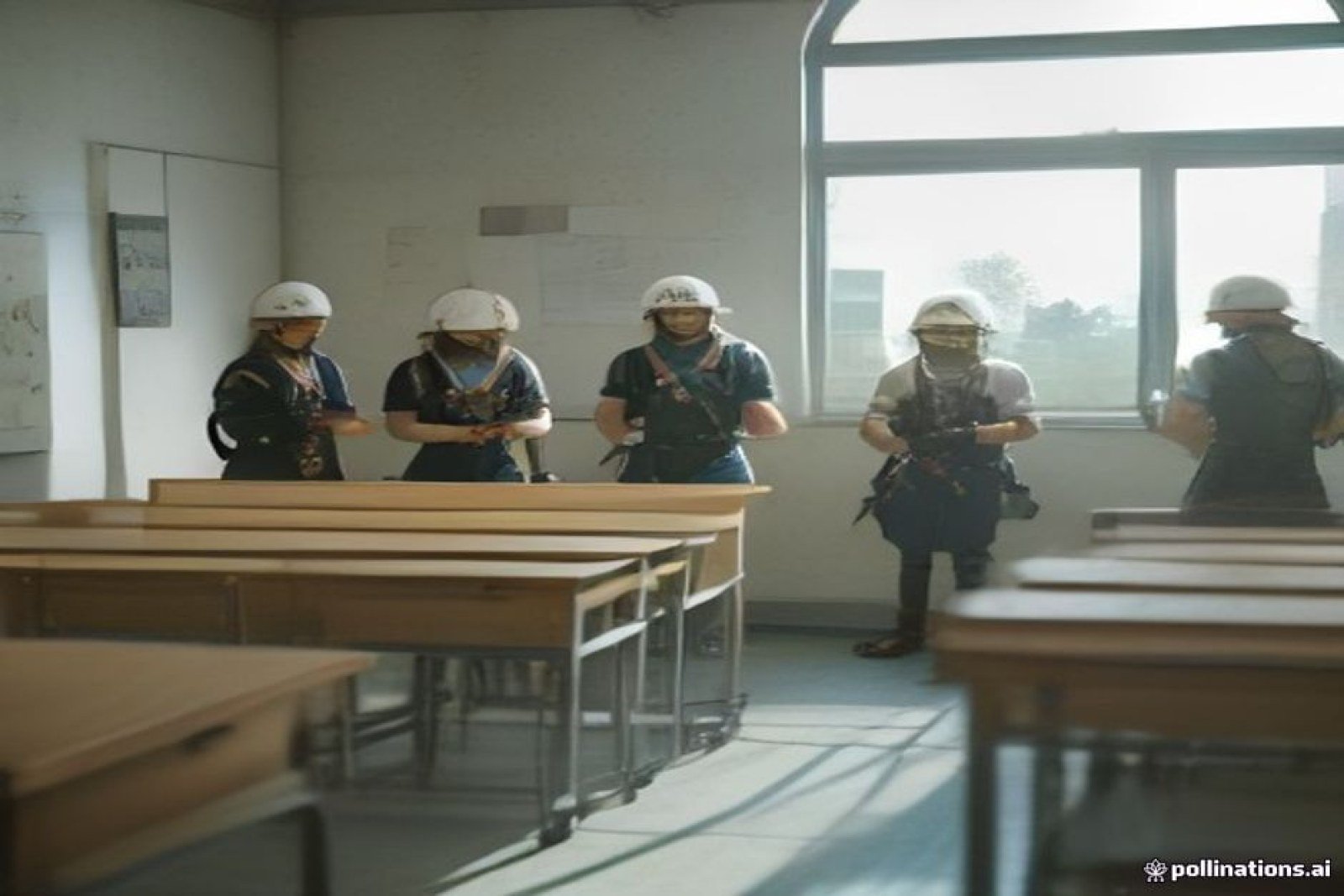
At Clovis High School in California, a group of seventh‑grade design enthusiasts turned a blank classroom into a living laboratory. With a mix of cardboard prototypes, 3‑D printing, and real‑world carpentry, the students took ownership of every detail—from the layout of desks to the color palette of the walls.
A Project Born in the Classroom
It all began when the school’s design teacher, Ms. Rivera, introduced a semester‑long module called “Design in Action.” Students were challenged to identify a problem in their learning environment, propose a solution, and then build it. The winning concept was a modular classroom that could pivot between lecture, collaborative work, and individual study. The team sketched the layout on graph paper, built a scale model, and then moved on to the full‑size build.
Building Skills Beyond the Textbook
Beyond the obvious construction, the project became a crash course in project management, budgeting, and stakeholder communication. Students drafted a budget that included materials, labor, and a contingency fund. They pitched the proposal to the school board, explaining how the new design would improve engagement and accessibility. The process required them to use digital tools—CAD software for design, spreadsheets for budgeting, and a simple project‑management app to track milestones.
- Technical proficiency – mastering tools like saws, drills, and laser cutters.
- Collaborative problem‑solving – negotiating design choices with peers and teachers.
- Budgeting and financial literacy – allocating funds within a realistic cap.
- Public speaking and persuasion – presenting to the school board and parents.
Impact on Students and the Community
The finished classroom is a testament to the power of hands‑on learning. Teachers report that students now have a space that adapts to different learning styles, and the room’s natural lighting and ergonomic furniture have reduced eye strain during long lessons. Parents who toured the space praised the initiative, noting that the students’ confidence and teamwork were visibly stronger.
What makes this project truly remarkable is its ripple effect. The students’ design process was documented in a short video series that is now part of the school’s digital curriculum, inspiring other classes to adopt similar projects. The school also partnered with a local hardware store to provide discounted tools, fostering a community partnership that benefits future students.
Concrete takeaway: when students lead the redesign of their own learning spaces, they gain real‑world skills that extend far beyond the classroom walls. The Clovis High example shows that empowering youth to take charge of design not only revitalizes physical environments but also builds confidence, collaboration, and a lifelong love of learning.