Designing for accessibility is no longer a niche consideration, but a fundamental aspect of creating successful, user-centric experiences. As inclusive design continues to gain momentum, it's essential for designers, brands, and businesses to prioritize accessibility in their creative processes. In this article, we'll delve into the best practices and tools for designing accessible experiences, exploring how AI tools can enhance and streamline this process.
Understanding Accessibility in Design
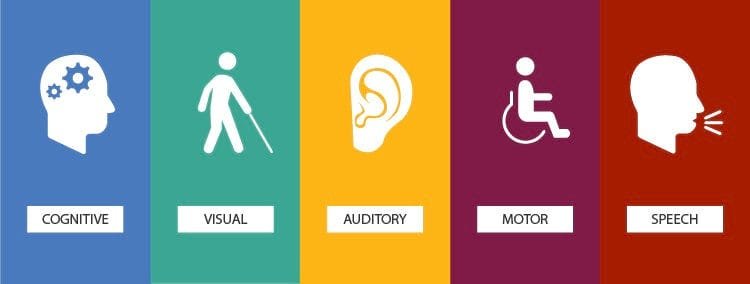
Accessibility in design refers to the practice of creating products, services, and environments that can be used by everyone, regardless of their abilities or disabilities. This encompasses a wide range of considerations, from visual and auditory accessibility to cognitive and motor accessibility. By incorporating accessibility into the design process, businesses can significantly expand their user base, improve brand reputation, and enhance overall user experience.
Benefits of Accessible Design
- Increased user engagement and conversion rates
- Enhanced brand reputation and social responsibility
- Broader audience reach and market share
- Improved search engine optimization (SEO)
- Reduced risk of legal issues related to accessibility non-compliance
Best Practices for Accessible Design
To design accessible experiences, consider the following best practices:
- Use clear and consistent navigation
- Implement high contrast colors and legible typography
- Provide alternative text for images and closed captions for audio and video content
- Ensure keyboard-navigable interfaces and touch-target sizing
- Conduct user testing and feedback sessions with diverse user groups
AI Tools for Accessible Design
The integration of AI tools can significantly enhance the accessible design process, offering solutions such as automated accessibility audits, intelligent image description, and predictive user experience modeling. Some notable AI tools for accessible design include:
- WAVE Web Accessibility Evaluation Tool
- Lighthouse
- Accessibility Insights
By leveraging these tools and best practices, designers and businesses can create more inclusive, engaging, and effective experiences that cater to a diverse range of users, ultimately driving business success and social impact.