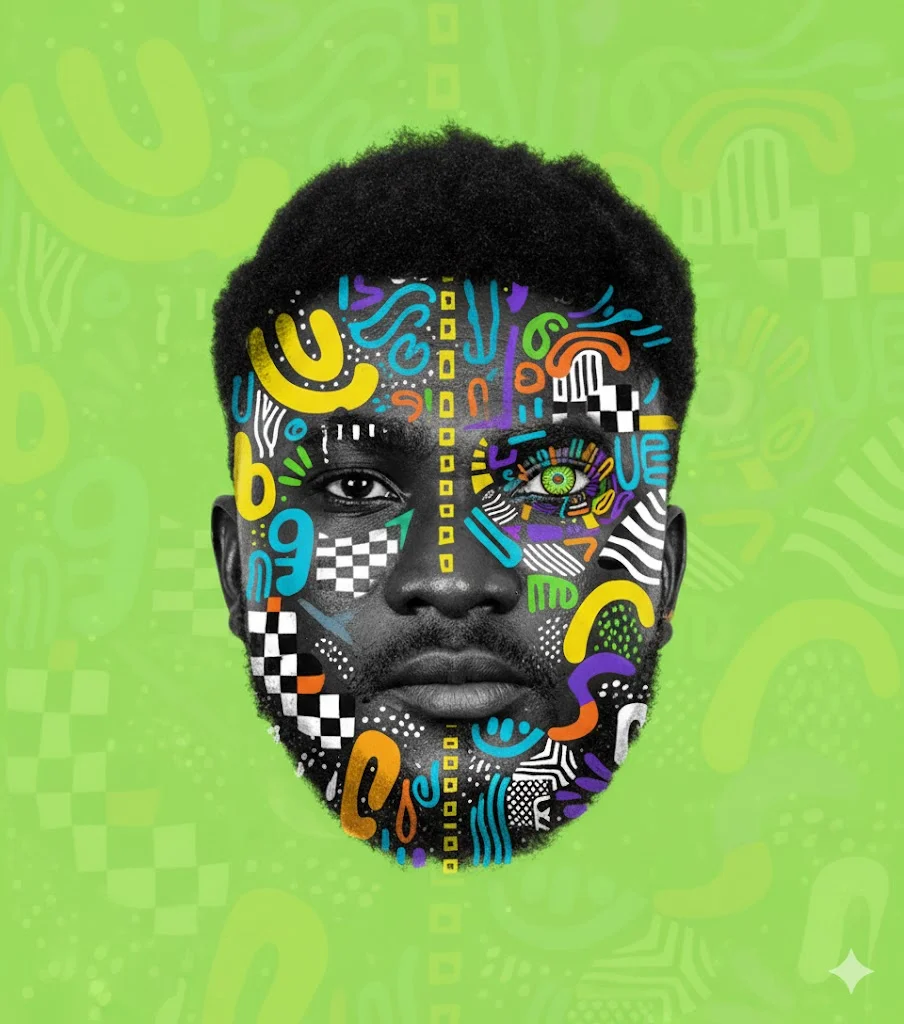

The Rise of the Brand Ecosystem
In 2026, the line between a logo and a living brand has dissolved. Companies are no longer satisfied with a single visual mark; they demand a continuous, data‑rich experience that adapts to the user’s context. This shift is fueled by three forces: the ubiquity of mobile devices, the explosion of immersive technologies, and the need for measurable engagement.
The Shift from Logo to Experience
Traditionally, a logo was the anchor point for all collateral—business cards, billboards, and website headers. Today, the logo is one of many touchpoints in an ecosystem that includes AR filters, voice assistants, and personalized email journeys. The brand’s DNA is encoded not only in color palettes and typefaces but also in algorithms that anticipate user intent.
Nike’s 2026 Brand Ecosystem Launch
When Nike unveiled its "Nike One" platform in March, the industry took notice. The initiative unites the Nike Run Club, Nike Training Club, and the new Nike SmartShoe line into a single, interoperable ecosystem. Every interaction—from a jog in the park to a virtual workout class—feeds into a unified data layer that personalizes content and product recommendations.
What Nike Introduced
Key components include a real‑time health dashboard, a voice‑activated coaching assistant, and an AI‑driven style engine that suggests apparel based on performance metrics. The visual identity—an updated swoosh that animates based on motion—serves as a living emblem that ties every channel together.
Design Implications for UX and Web
Designers now face the challenge of creating modular assets that can morph across platforms while preserving brand coherence. Responsive branding means that a logo can shift shape, color, and even animation state depending on device resolution and user context. Data‑driven personalization requires the integration of analytics from the outset, turning insights into design decisions.
Responsive Branding Across Devices
Rather than static SVGs, designers use CSS variables and SVG masks that react to user interactions. This approach keeps the core identity intact while allowing flexibility—critical for immersive AR experiences where lighting and perspective change constantly.
Data‑Driven Personalization
Embedding analytics into design workflows means that every pixel can be tested for engagement. Heatmaps, click‑through rates, and dwell times inform iterative updates, ensuring that the brand evolves with its audience rather than against it.
Concrete Takeaway for Creatives
For studios and freelancers, the lesson is clear: build brands as ecosystems from the ground up. Start with a modular kit—color, type, iconography, motion guidelines—and layer data and personalization on top. Collaboration across disciplines—UX, product, marketing, and engineering—becomes essential to keep the experience cohesive.
- Focus on modular components that scale.
- Integrate analytics into the design process from day one.
- Prioritize user journey mapping over isolated touchpoints.
- Maintain brand coherence across all channels.
- Iterate rapidly based on real‑time feedback.