
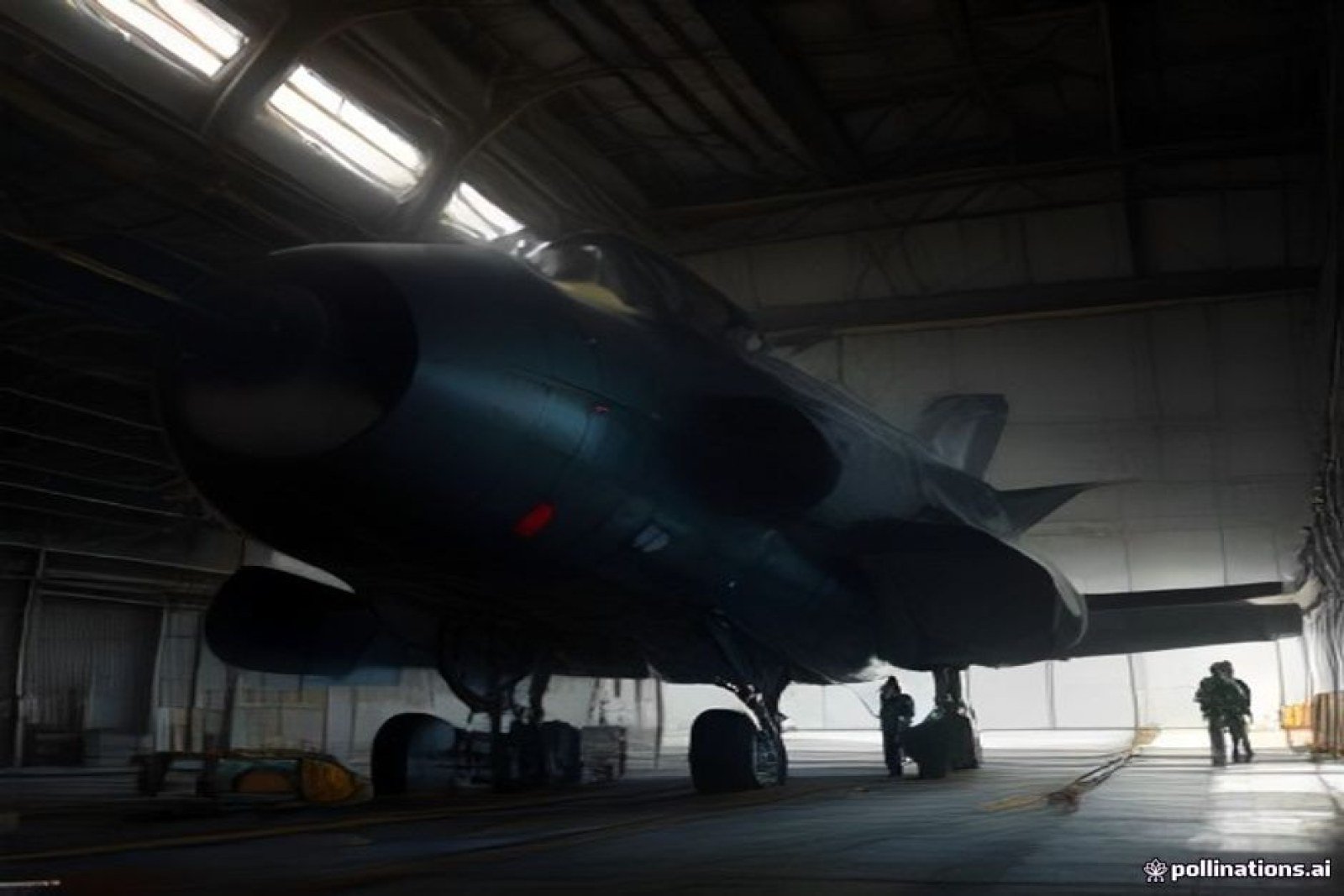
In a decisive move that underscores RTX’s commitment to safety and reliability, Pratt & Whitney has announced the completion of a comprehensive risk reduction design review for the F135 engine core upgrade.
What the Review Entailed
The F135, the backbone of the F-35 Lightning II, is undergoing a critical core upgrade aimed at enhancing thrust, extending life expectancy, and improving fuel efficiency. The design review, conducted by a cross‑disciplinary team of engineers, safety analysts, and quality assurance specialists, focused on identifying potential failure modes, assessing mitigation strategies, and validating design changes against stringent aerospace standards.
Key deliverables included:
- Failure Mode and Effects Analysis (FMEA) of new component materials.
- Updated Finite Element Analysis (FEA) models to capture stress distribution under extreme operating conditions.
- Redesign of the high‑pressure turbine blade to reduce vibration.
- Enhanced cooling pathways to lower thermal load on critical stages.
Each recommendation was rigorously tested through simulation and prototype testing before being approved for integration.
Implications for Aviation and Industry
While the headline may sound like an internal engineering update, the ramifications ripple across the broader aerospace ecosystem.
First, the F135 is not only central to the U.S. military’s fifth‑generation fighter fleet but also powers allied aircraft and commercial aviation research programs. A safer, more efficient engine translates into lower operating costs, extended mission ranges, and reduced environmental impact.
Second, the review sets a benchmark for how risk‑centric design reviews should be conducted in high‑stakes sectors. By foregrounding risk reduction as a primary objective, Pratt & Whitney demonstrates that engineering excellence and safety can coexist without compromising performance.
Finally, the upgrade underscores the importance of continuous improvement in legacy systems. The F135, originally introduced in the early 2000s, remains a workhorse. Updating its core components ensures it stays competitive in an era of rapid technological change.
Concrete Takeaway for Engine Designers
For designers and engineers, the most actionable insight is the systematic integration of risk analysis into every design phase.
Rather than treating risk mitigation as a post‑hoc checklist, Pratt & Whitney embedded it from the outset: materials selection, component geometry, and thermal management were all evaluated for potential failure modes before any prototype was built. This proactive stance shortens the development cycle, reduces costly rework, and ultimately delivers a safer product to the field.
In practice, teams can adopt a “risk‑first” framework by:
- Performing an initial FMEA during concept development.
- Running iterative simulation cycles that incorporate real‑world operational data.
- Collaborating cross‑functionally to ensure that safety considerations inform every design decision.
By internalizing this approach, companies can achieve the dual goals of innovation and reliability—an equilibrium that Pratt & Whitney has exemplified with the F135 core upgrade.
As the aerospace industry looks toward the next generation of high‑performance engines, the completion of this risk reduction design review stands as a testament to the power of disciplined engineering and a reminder that safety is not a feature but a foundation.